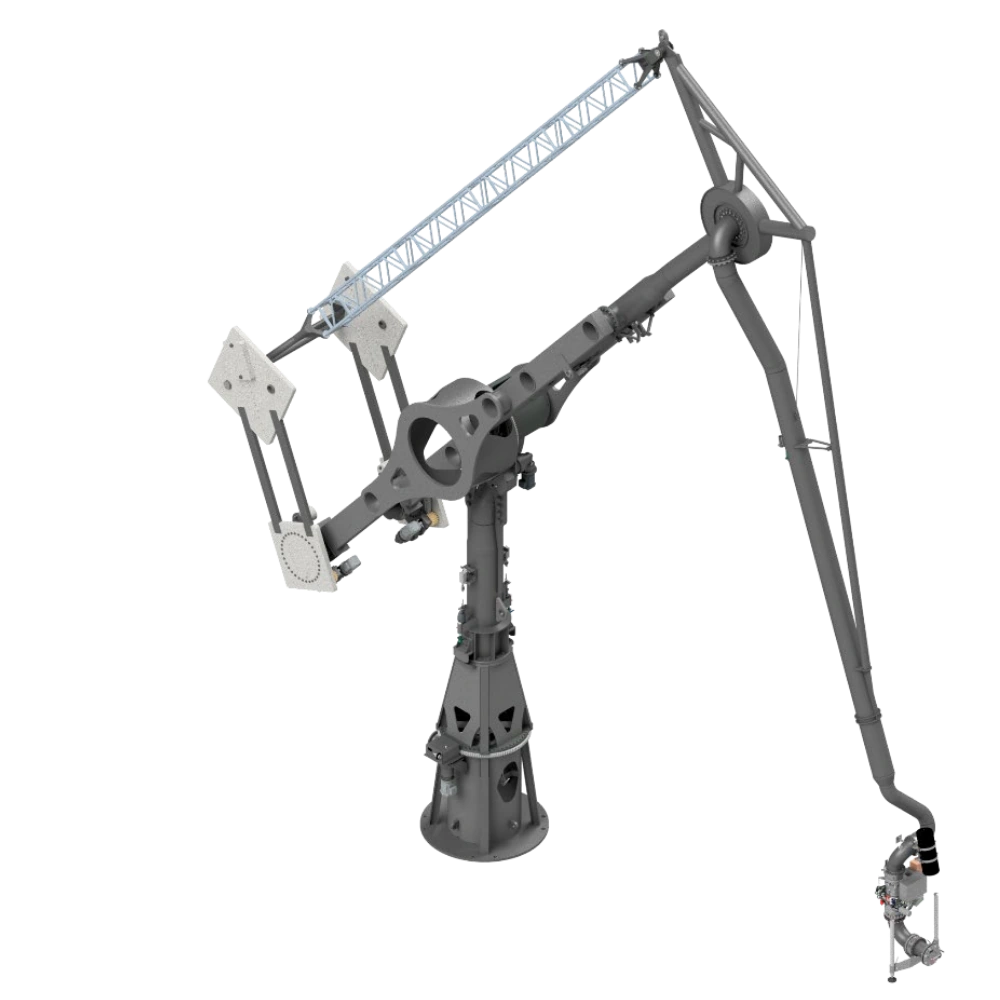
Symetric NEO — SVT's fully electric marine loading arm
Symetric NEO · Fully Electric Marine Loading Arm
Engineered & built in Germany

Fully electric.
Built for future.

Zero hydraulics · Joystick control
Discuss your project
Movement
100 %electric
Hydraulic Fluids
0litres
Designed For
NH₃ · MeOH · CO₂+ oil & chemical products
Scroll to explore

01 — Premise

Electric because it pays off.

Symetric NEO is SVT's fully electric marine loading arm — a market-ready extension of the portfolio for terminals where lighter jetty loads, simpler operation and the elimination of hydraulic leakage risk pay off.

Configured as a modular system and engineered to your specification in Schwelm, it is built for the projects shaping the next decades: ammonia, methanol and CO₂ alongside established oil and chemical products. Critical components like the SVT swivel joints are field-proven across thousands of installations — new design, proven parts.

Quick Answer

What is a fully electric marine loading arm?

A fully electric marine loading arm uses electric motors and actuators instead of hydraulic pumps and cylinders to move the arm. Compared with hydraulic systems this means no risk of hydraulic leakage, simpler installation, less maintenance and intuitive joystick control.

Symetric NEO by SVT combines electric actuation with a symmetrical, self-supported rigid-link design which leads to less material, lower CAPEX, more flexibility on the jetty. A UPS system ensures smooth operation during power outages or fluctuations.

  • 100 % electric drives — joystick-controlled along X/Y/Z
  • Symmetrical self-supported design — no external support structure
  • 0 litres hydraulic fluid — zero hydraulic leakage risk
  • UPS system allows for grid-independent safety
  • Field-proven SVT swivel joints — new design, proven parts

The numbers that matter to your project team.

02 — Envelope
Capital Expenditure
CAPEX
Reduced jetty base loads allow lighter jetty structures and simpler installation.
Operating Expenditure
OPEX
Fewer components, less maintenance, shorter downtime for repairs.
Hydraulic Fluids On The Jetty
0litres
No hydraulic fluids — no hydraulic leakage risk, a direct environmental benefit.
Power Source
100% electric
Can be operated with renewable energies. UPS backup allows for safe operation during a power outage.
03 — Applications

Engineered for New Energies
with benefits for traditional markets.

Symetric NEO is configured per medium and terminal envelope — as a modular system, not an off-the-shelf article. Typical project types: new build, substitution of existing arms and capacity expansion. Oil and chemical applications are covered alongside the New Energy focus.

APPLICATION · 01
NH₃
AMMONIA

Ammonia plays a vital role in the energy transition as both a clean energy carrier and a key feedstock for fertilizers. Efficient ammonia loading ensures safe, reliable transport for global energy and industry needs.

  • Flow rate per arm800 – 2 570 m³/h
  • Product line8 – 16″
  • Operating temp.−33 to +37 °C
  • Arms per facility1 – 3
APPLICATION · 02
MeOH
METHANOL

Methanol is important as a clean fuel, energy carrier, and chemical feedstock. Safe, efficient methanol loading supports global logistics, enabling large-scale use in sustainable energy systems and industrial applications.

  • Flow rate per arm250 – 2 600 m³/h
  • Product line8 – 12″
  • Design pressureUp to 33 barg
  • Arms per facility1 – 3
APPLICATION · 03
CO₂
CARBON CAPTURE VALUE CHAIN

CCS is essential for reducing industrial CO₂ emissions and meeting climate goals during the energy transition. Efficient CO₂ loading enables safe transport and storage, making large-scale CCS projects possible.

  • Flow rate per arm250 – 3 500 m³/h
  • Operating pressureUp to 33 bar
  • Operating temp.−55 to +50 °C
  • Arms per facility1 – 8
04 — Feature Impact

Four design decisions.
Four operational gains.

Every feature of Symetric NEO exists because it changes something on your jetty: less maintenance, lower leakage risk, faster connections, safer disconnects. Innovation as a means — never as an end.

01 / 04
ELECTRIC DRIVES
Less maintenance, more uptime.

Fully electric actuation replaces the hydraulic power pack — fewer components to service, shorter downtime for repairs, smoother operation.

02 / 04
NO HYDRAULICS
Zero hydraulic leakage risk.

No hydraulic fluids on the jetty means no hydraulic spills — an environmental benefit that simplifies permits and audits.

03 / 04
JOYSTICK CONTROL
Intuitive operation, faster connection.

Operators steer the arm intuitively — shorter connection times and higher loading volumes per berth window.

04 / 04
UPS BACKUP
Safe operation — always.

A LiFePO₄-based UPS secures the operation even during a power failure — it always retains enough energy for the emergency release sequence.

05 — Technology Comparison

Electric vs. hydraulic.
An honest comparison.

SVT engineers and delivers both technologies — this is not a case against hydraulics. The right solution depends on product, terminal, specification and project goal. Here is how the two approaches compare, so your team can judge which fits.

Aspect
Hydraulic MLA with Support Structure
Electric MLA with Rigid Link
Support Structure
Separate support structure
Self-supporting design
Weight
Heavier due to hydraulic components and support structure
Lighter overall due to integrated rigid link and fewer components
Installation Complexity
More complex; requires hydraulic lines, reservoirs, and support structure
Simpler; fewer components, easier integration
Maintenance
Regular maintenance
Reduced amount of maintenance due to lack of hydraulic components
Environmental Impact
Risk of hydraulic fluid leaks
No hydraulic fluids; no risk of environmental contamination
Best suited for
Very large, heavy-duty arms and demanding conditions
Non-cryogenic applications, prioritising efficiency, cost and ease of use

Hydraulic arms remain the right choice for many applications — SVT continues to engineer and deliver them. Symetric NEO complements the portfolio where electric, lightweight and low-maintenance solutions pay off. Our recommendation follows your requirements, not a technology preference.

06 — Project Paths

Three project types, one engineering team behind them.

01 · NEW BUILD

Greenfield terminals.

Design the jetty around reduced base loads from day one — lighter structures, simpler installation, lower civil-works CAPEX. Symetric NEO is specified into the project instead of retro-fitted onto it.

02 · SUBSTITUTION

Replacing existing arms.

When an arm reaches end-of-life, substitution is the moment to rethink: an electric arm can reduce operating cost and eliminate the hydraulic infrastructure the old arm required.

03 · EXPANSION

Capacity expansion.

Adding berths or media to an existing terminal — including future fuels alongside established products. Modular configuration keeps the expansion compatible with what is already there.

07 — Value By Role

What it changes
for your role.

A loading arm decision runs through many desks — owner, engineering, maintenance, operations, EPC. Symetric NEO was designed with each of them in mind. Find your seat at the table.

Terminal Owner · Management

CAPEX down, ESG up.

  • Lower jetty CAPEX through lean jetty design and lighter structure
  • Operable with renewable energies — feeds directly into ESG reporting and project financing
  • Shorter connection times → higher loading volumes per berth
Mechanical Engineer · Technical Buyer

Simpler spec, faster clarification.

  • Reduced component count → less documentation, faster detailed engineering
  • Low weight design → more flexibility in the jetty design phase, less concrete
  • Field-proven SVT swivel joints balance the new design — no prototype risk
Maintenance Manager

No hydraulics to maintain.

  • No hydraulic components, no hydraulic leakage — standard electric motors
  • Fewer parts → fewer error sources, shorter maintenance windows
  • Familiar swivel joint handling — seal exchange as your team knows it
Terminal Manager

More loadings, fewer incidents.

  • Joystick control reduces the risk of damaged vessel manifolds — and the NCRs that follow
  • Increased arm availability through UPS backup and simple maintenance
  • Balance between CAPEX and OPEX quantified in feasibility engineering
Operations · Jetty Crew

Precise, fast, intuitive.

  • Joystick steers the arm along X/Y/Z — travel speed proportional to deflection
  • Freely programmable work areas with restricted-zone exclusion
  • Less training required — compliance with loading windows made easier
EPC · Project & Package Engineer

De-risked package, better ROI.

  • CAPEX-optimised jetty planning — timing benefits, less concrete
  • No hydraulic installation → no flushing dependencies, no hydraulic warranty claims
  • Shorter delivery times through modular, self-supported design
08 — Compliance

Built to the codes your auditor already trusts.

SVT engineers to the standards that EPCs, classification societies and terminal operators specify — every arm is documented with a full compliance dossier including materials, weld procedures, pressure tests and FAT reports.

01OCIMFMarine loading arm design recommendations.
02ATEXEquipment for explosive atmospheres.
03PEDPressure Equipment Directive 2014/68/EU.
04ASMEANSI / ASME B31.3 process piping.
09 — Proof

Built in Schwelm.
Shown in detail.

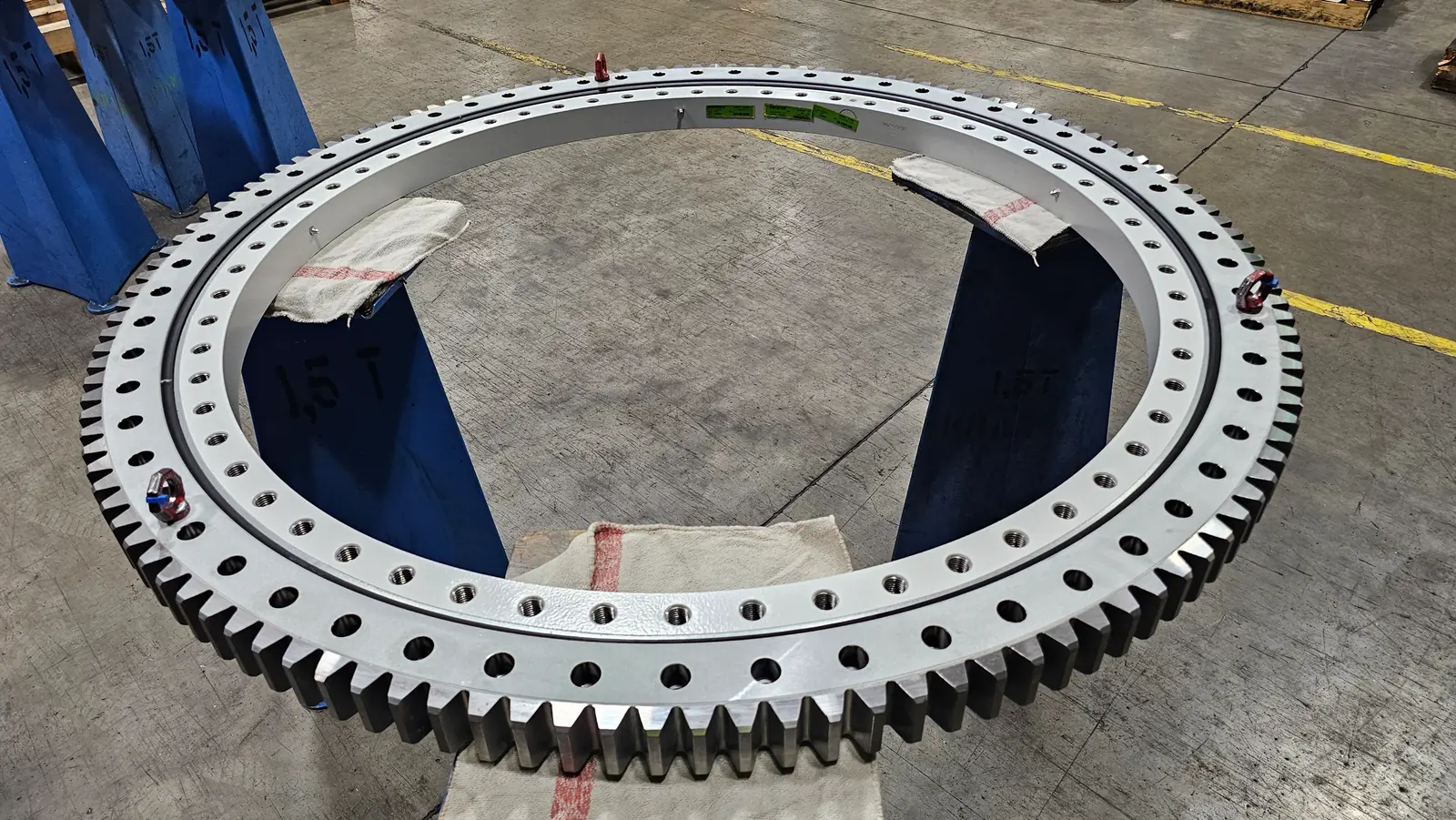
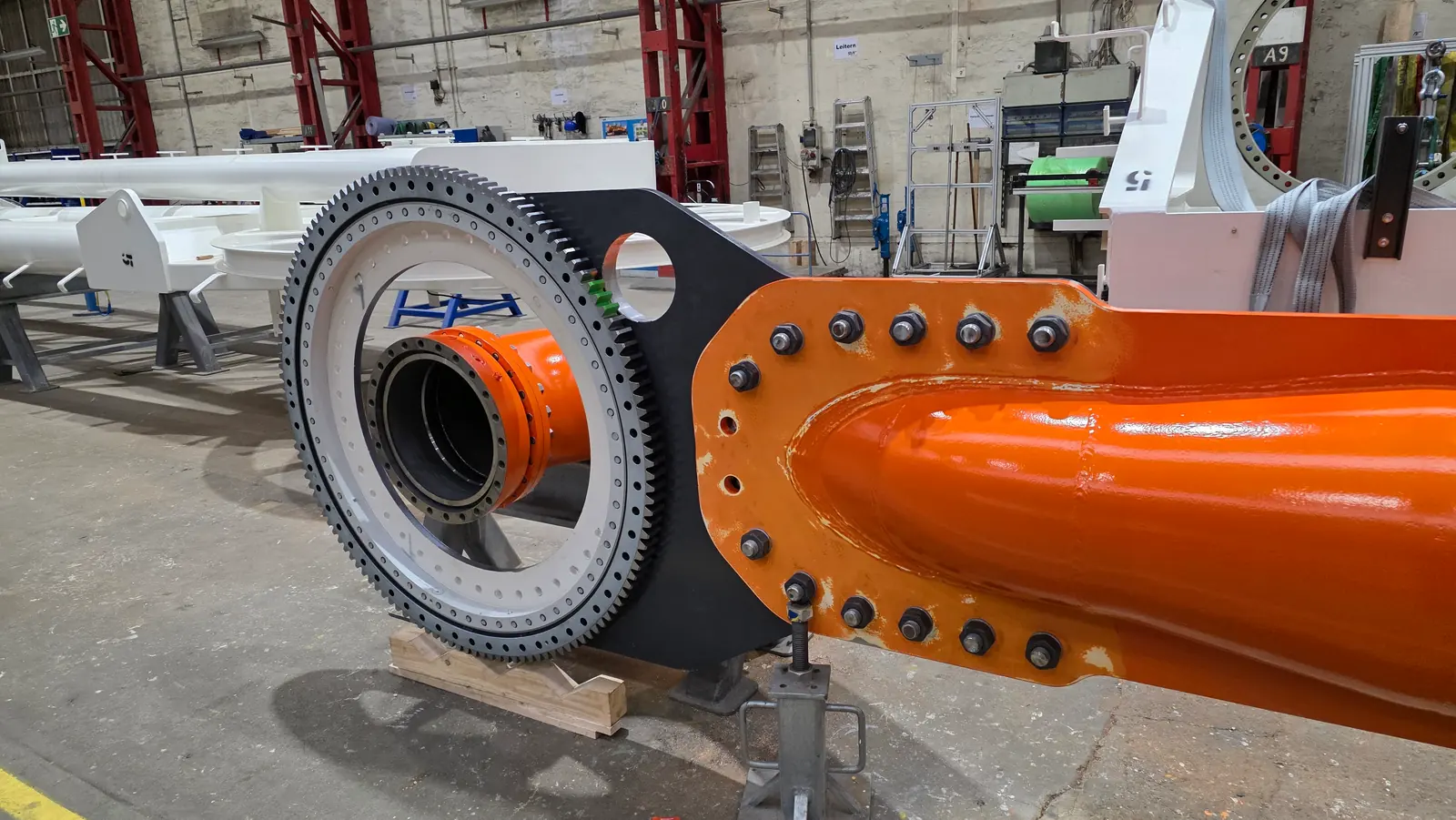
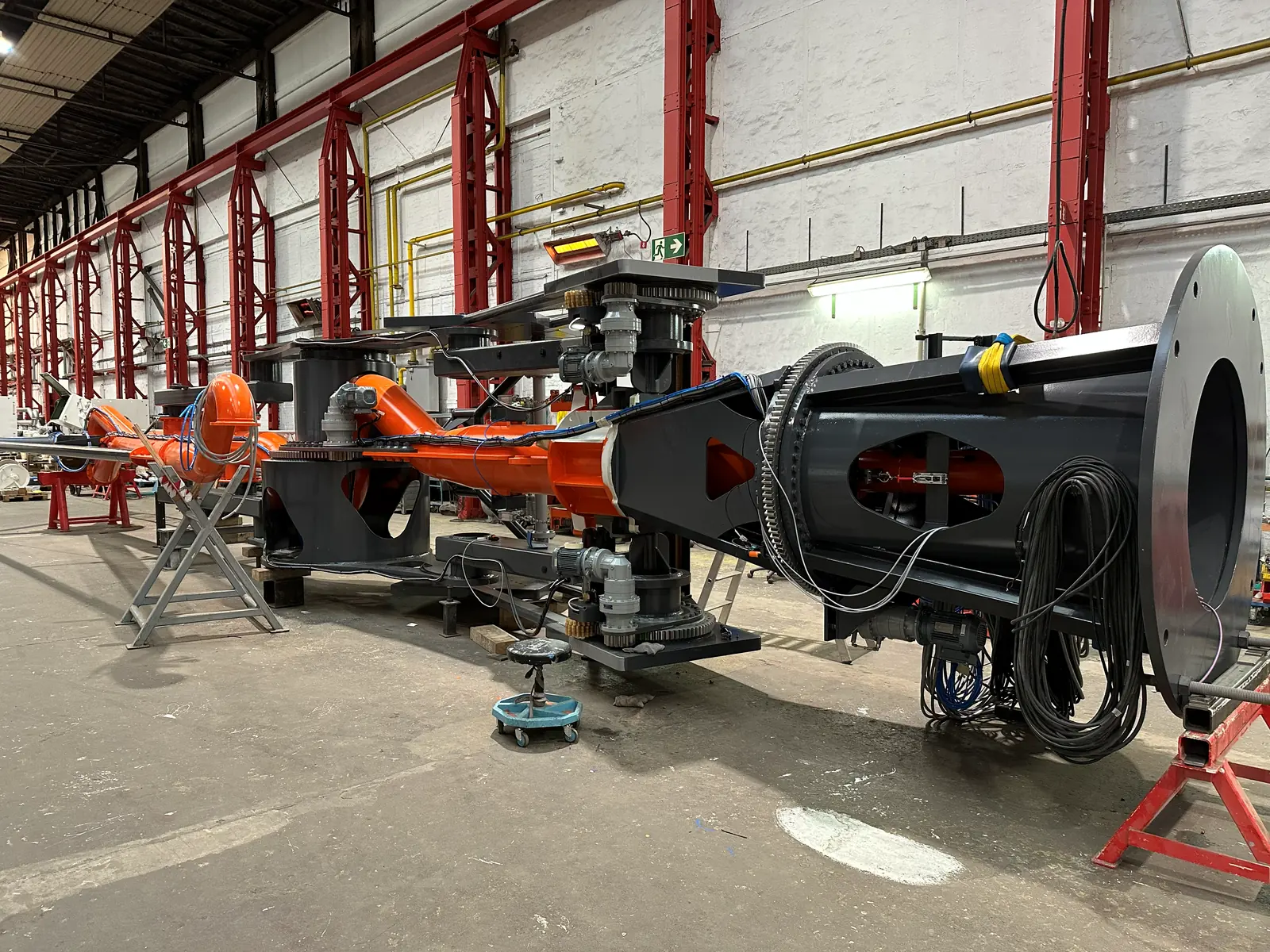
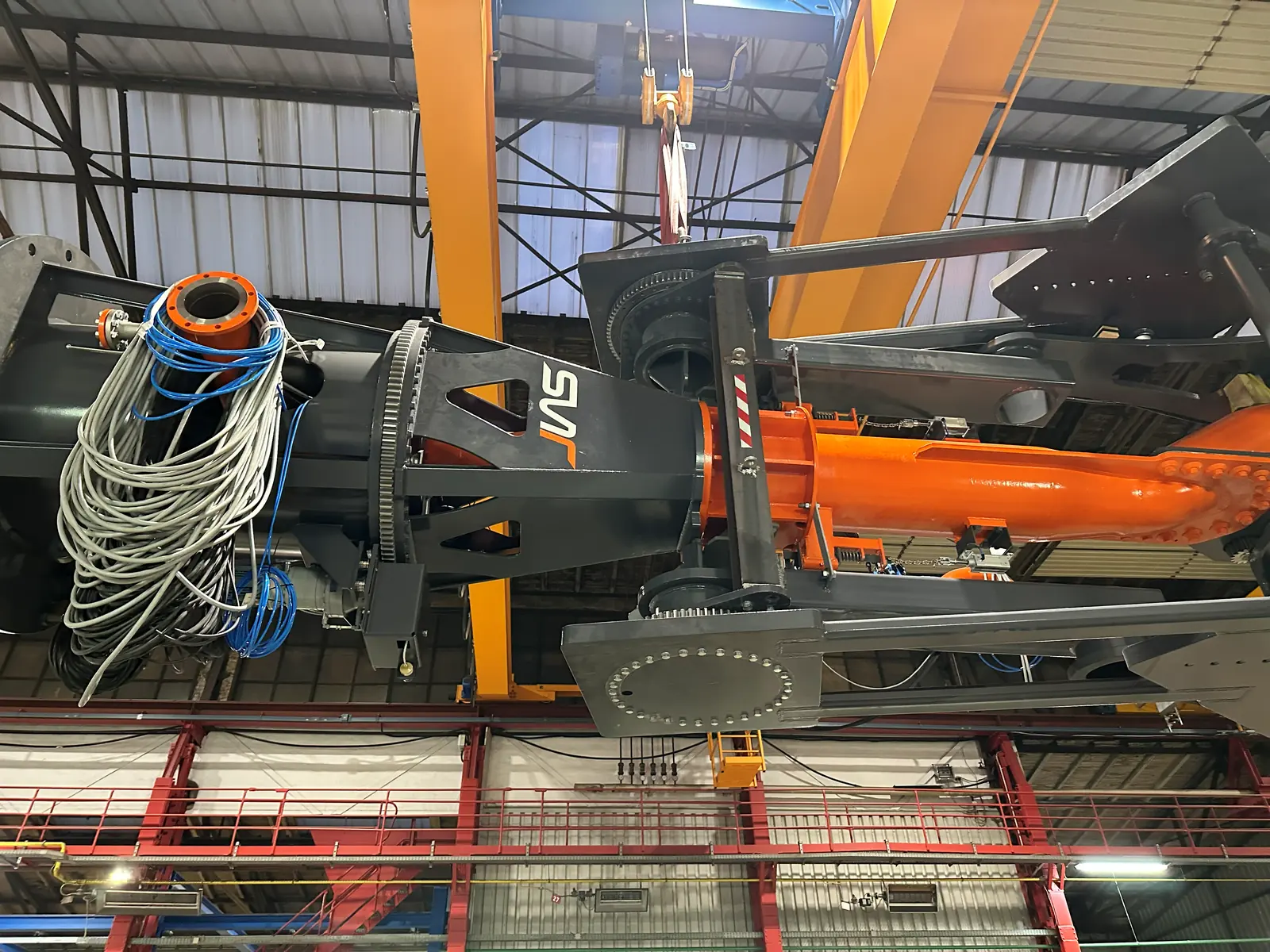
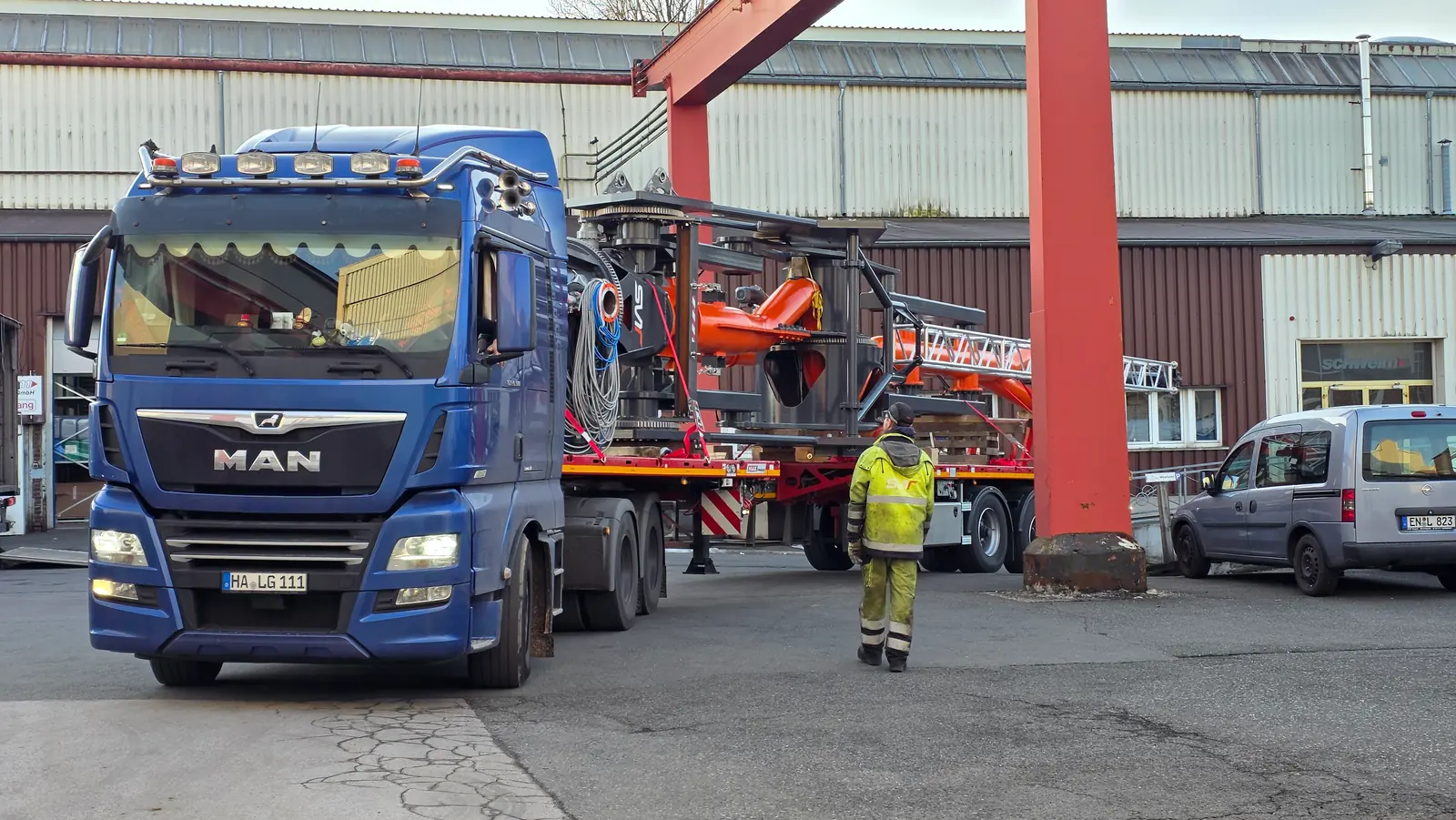
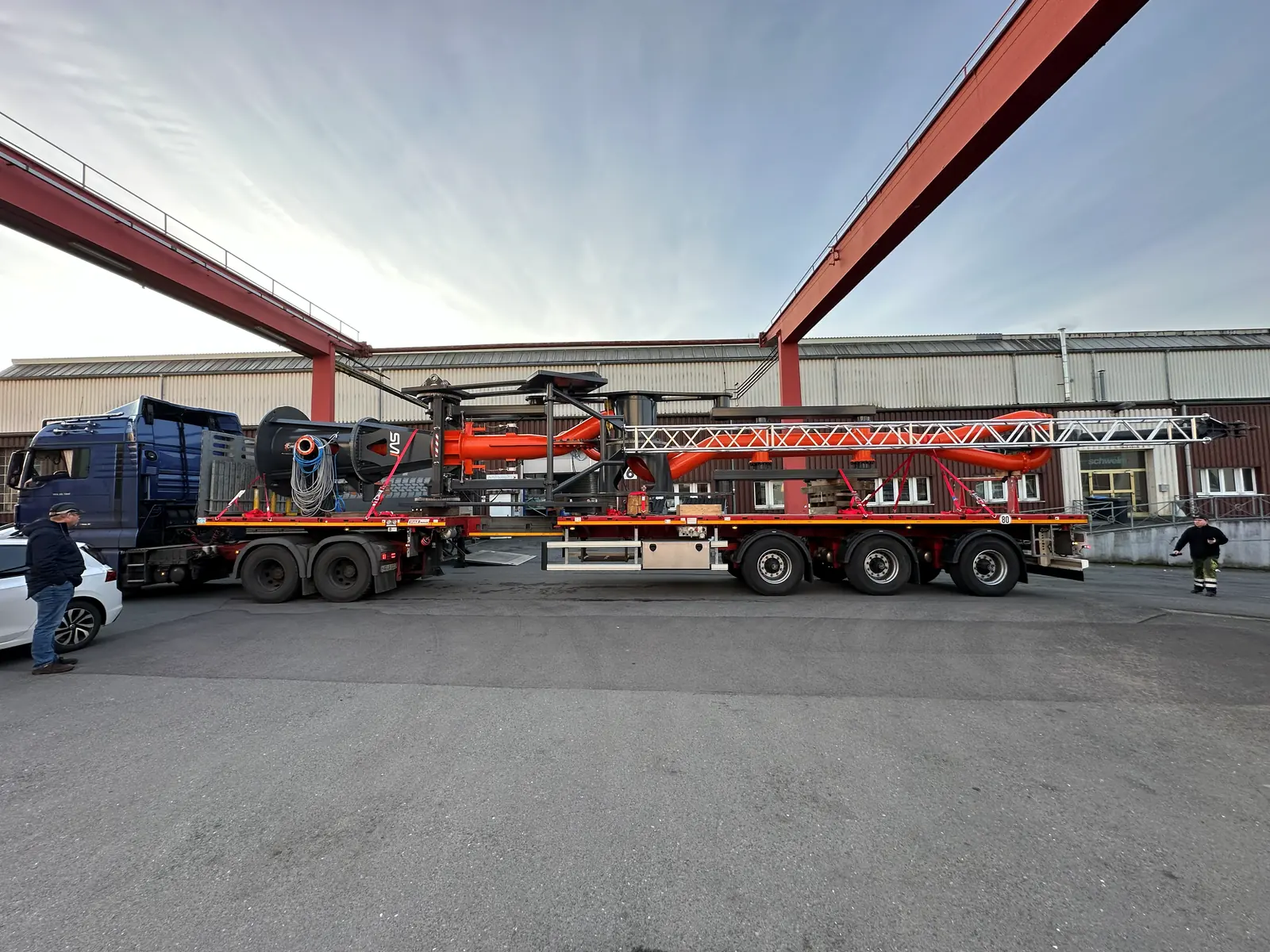
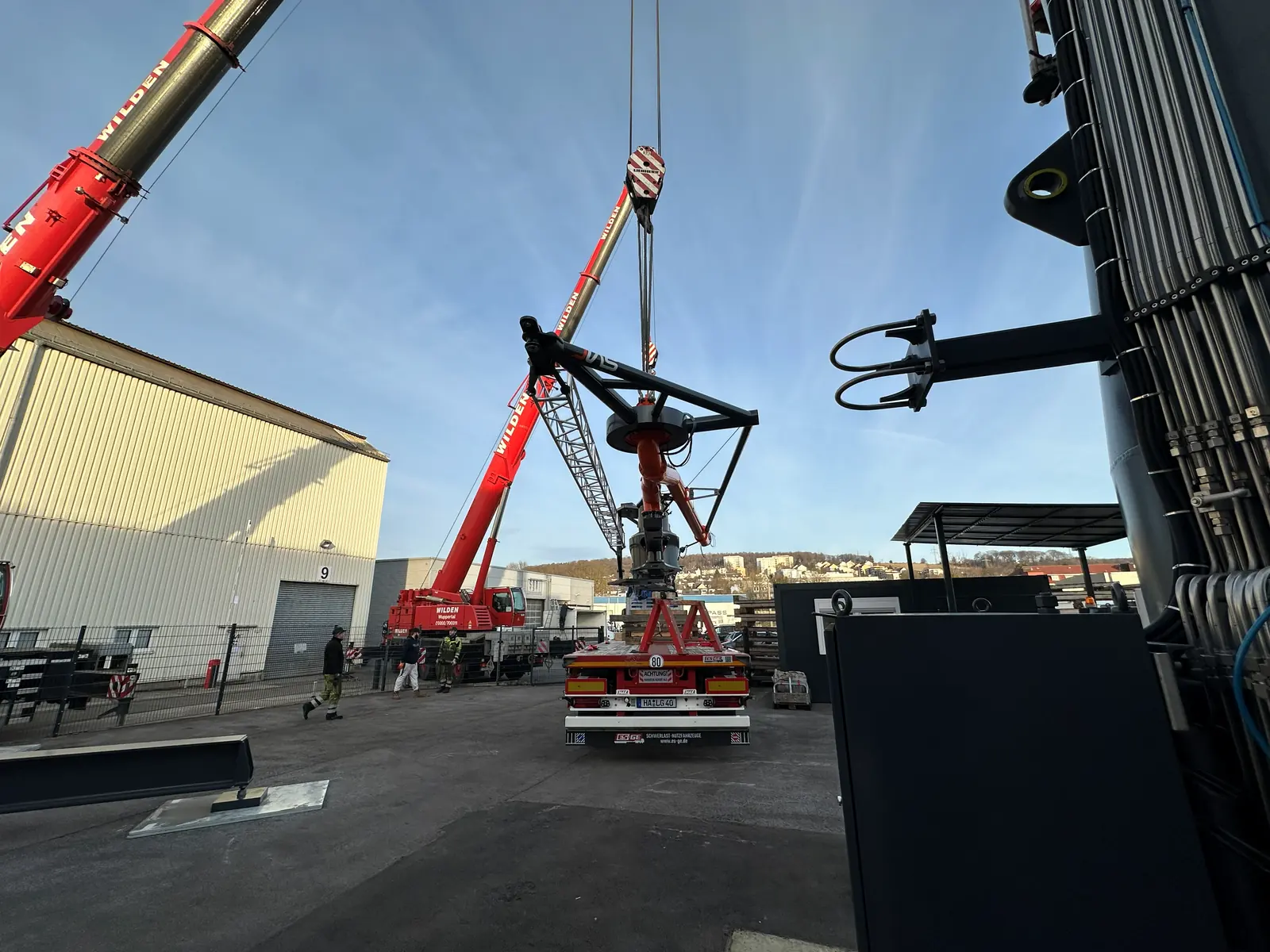
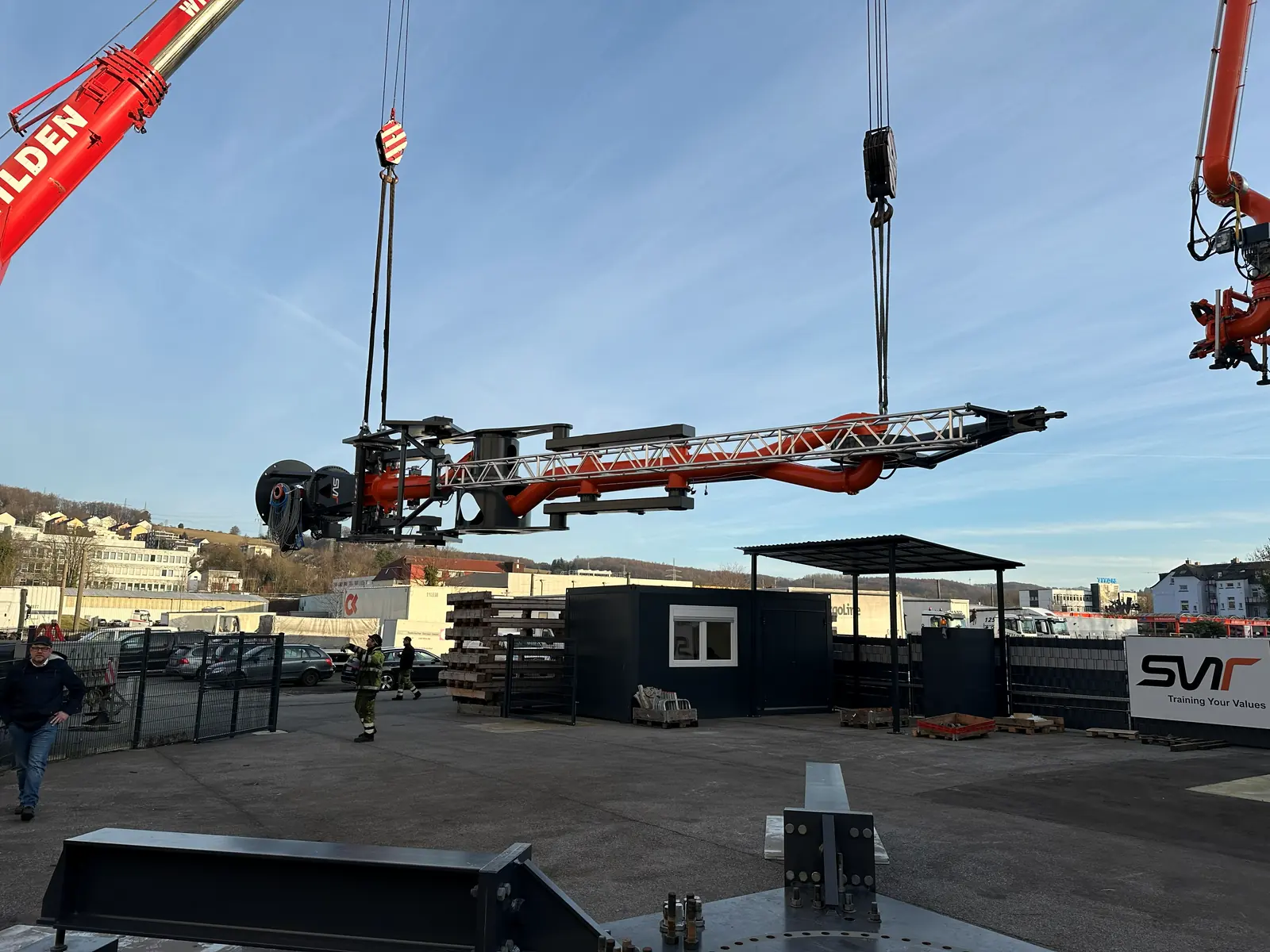
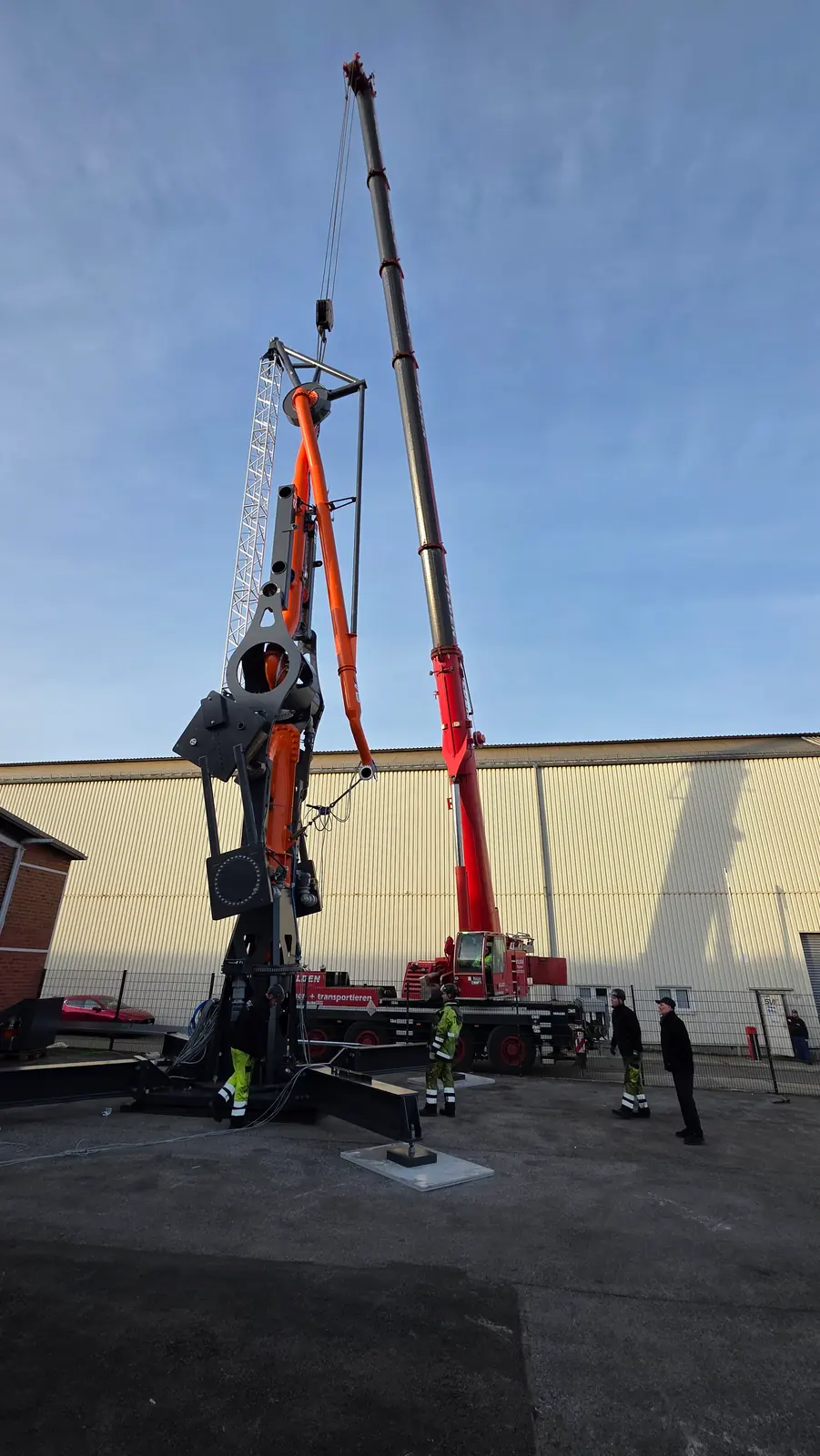
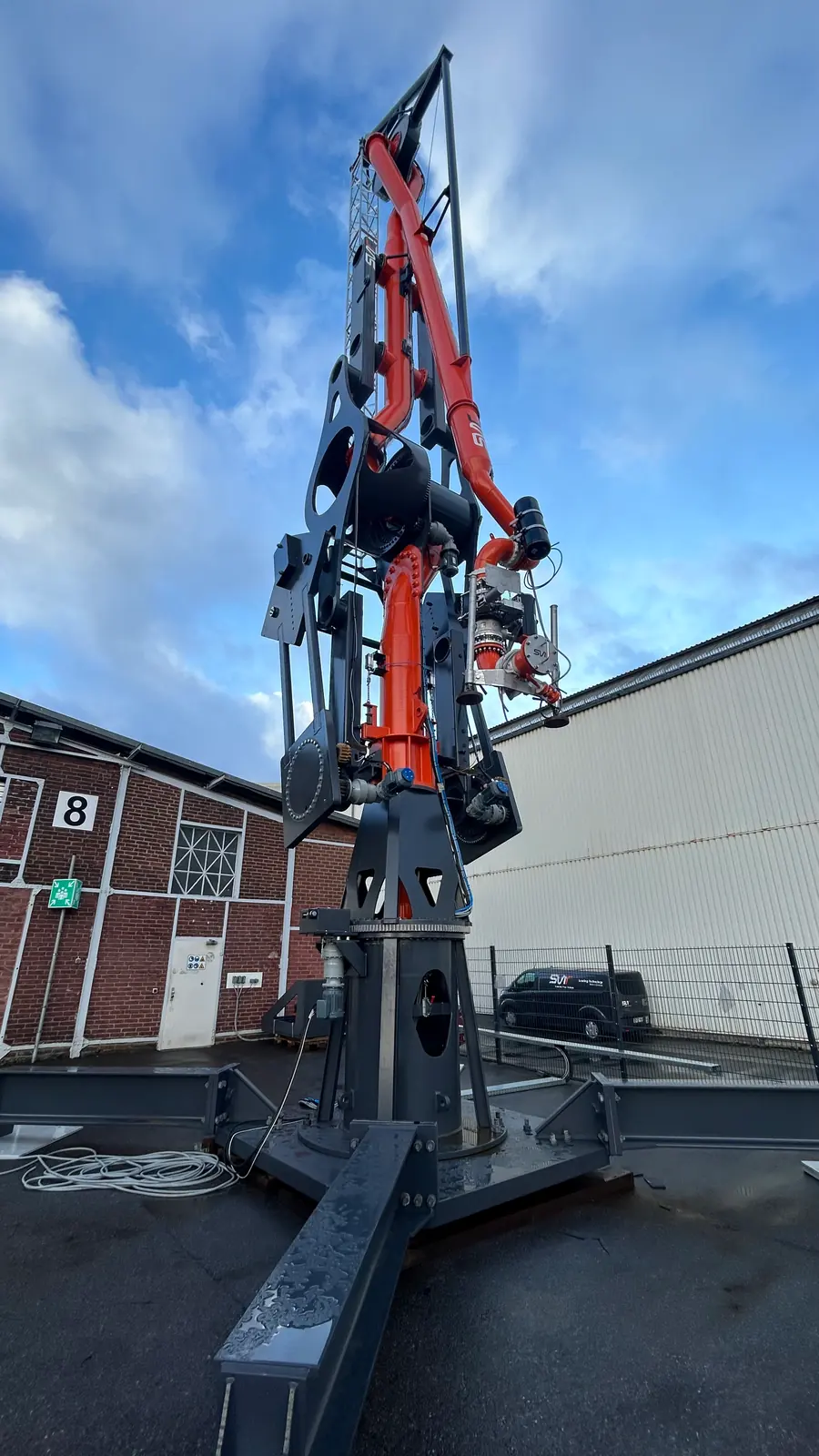
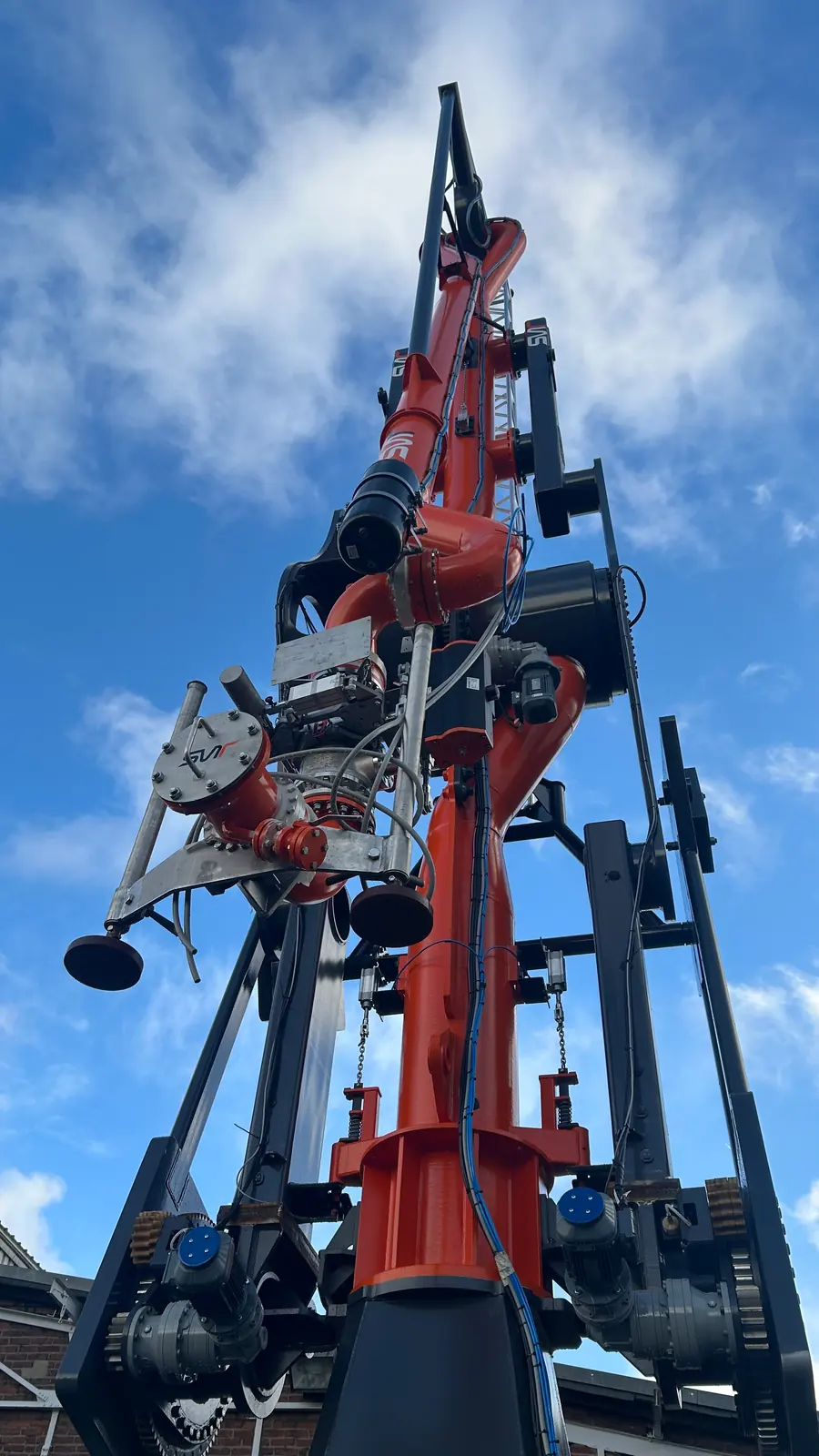
From machined components on the shop floor to the arm standing on site — Symetric NEO, photographed in our own workshops and in the field.

Symetric NEO at SVT in Schwelm — photo 1 of 11
Symetric NEO at SVT in Schwelm — photo 2 of 11
Symetric NEO at SVT in Schwelm — photo 3 of 11
Symetric NEO at SVT in Schwelm — photo 4 of 11
Symetric NEO at SVT in Schwelm — photo 5 of 11
Symetric NEO at SVT in Schwelm — photo 6 of 11
Symetric NEO at SVT in Schwelm — photo 7 of 11
Symetric NEO at SVT in Schwelm — photo 8 of 11
Symetric NEO at SVT in Schwelm — photo 9 of 11
Symetric NEO at SVT in Schwelm — photo 10 of 11
Symetric NEO at SVT in Schwelm — photo 11 of 11
Engineering, fabrication and factory acceptance testing in Schwelm, Germany
10 — Engineering FAQ

Questions project teams ask us first.

The most frequent questions from terminal owners, EPCs and engineering teams evaluating Symetric NEO. Need something more specific? Discuss your project with our engineering team in Schwelm.

01 What is a fully electric marine loading arm?

A fully electric marine loading arm uses electric motors and actuators instead of hydraulic pumps and cylinders to move the arm. Compared with hydraulic systems this means no risk of hydraulic leakage, simpler installation, less maintenance and intuitive joystick control.

Symetric NEO by SVT combines electric actuation with a symmetrical, self-supported rigid-link design which leads to less material, lower CAPEX, more flexibility on the jetty. A UPS system ensures smooth operation during power outages or fluctuations.

02 Is Symetric NEO market-ready or still a prototype?

Symetric NEO is a market-ready product, engineered and built in Schwelm on the same design foundations as SVT's proven loading arm portfolio. Critical components such as the SVT swivel joints are field-proven across the existing installed base — the new design is balanced with proven parts. Each arm is configured per project — medium, envelope, jetty constraints — rather than sold as an off-the-shelf article.

03 Electric or hydraulic — which is right for my terminal?

It depends on the product, terminal, specification and project goal — there is no universal answer. SVT engineers and delivers both. Symetric NEO complements the portfolio where electric, lightweight and low-maintenance solutions pay off: terminals for hydrogen derivatives and CO2 as well as classical oil and chemical terminals, weight-sensitive jetty designs, sites targeting renewable power or strict environmental envelopes.

Hydraulic arms remain the right choice for many applications — our recommendation follows your requirements, not a technology preference.

04 Which media does Symetric NEO handle?

The configuration focus is on media related to the energy transition such as ammonia, methanol and CO₂ — alongside established oil and chemical products. Materials, sealing systems and the safety chain are specified per medium during project engineering.

05 What does “reduced jetty base loads” mean for my project?

The symmetrical, self-supported rigid-link design removes the external support structure and the hydraulic power pack — the arm imposes lower loads on the jetty. In new-build projects this can translate into lighter civil works, less concrete and lower CAPEX; in substitution projects it creates margin within the existing structure. The exact effect is quantified during feasibility engineering.

06 How does an electric loading arm disconnect safely during a power failure?

The safety chain follows the same sequenced logic as every SVT arm — monitored geometry, controlled valve closure, clean mechanical disconnection. The emergency release coupler is ATEX-compliant and PLC-controlled.

Power is secured by a UPS based on LiFePO₄ batteries: if the grid fails, it switches to battery instantly and always retains enough energy to proceed with regular operation — the disconnect never depends on grid power.

07 Can Symetric NEO be operated with renewable energy?

Yes. As a fully electric system it can be operated with renewable energies — a direct contribution to ESG targets and project financing criteria. Total electric drive power is in the range of ~8 kW up to ~16 kW maximum design — far below what a hydraulic power pack installation requires.

08 What does a typical project look like, from enquiry to jetty?

It starts with a project discussion: your medium, terminal envelope, jetty constraints and timeline. SVT responds with a feasibility assessment, configuration proposal and indicative pricing. Engineering, fabrication and factory acceptance testing follow in Schwelm — delivered pre-assembled and pre-tested for installation.

09 What about service, training and global support?

SVT operates a worldwide service network with field engineers on-call for interventions, scheduled maintenance and overhauls. Operator training — including the joystick control concept — is part of commissioning, and long-term service agreements are available.

Discuss your project.

Whether you are specifying a new terminal, replacing an arm at end-of-life or expanding capacity for future fuels — tell us about your project and our engineering team in Schwelm responds with a feasibility assessment and configuration proposal.